The Story
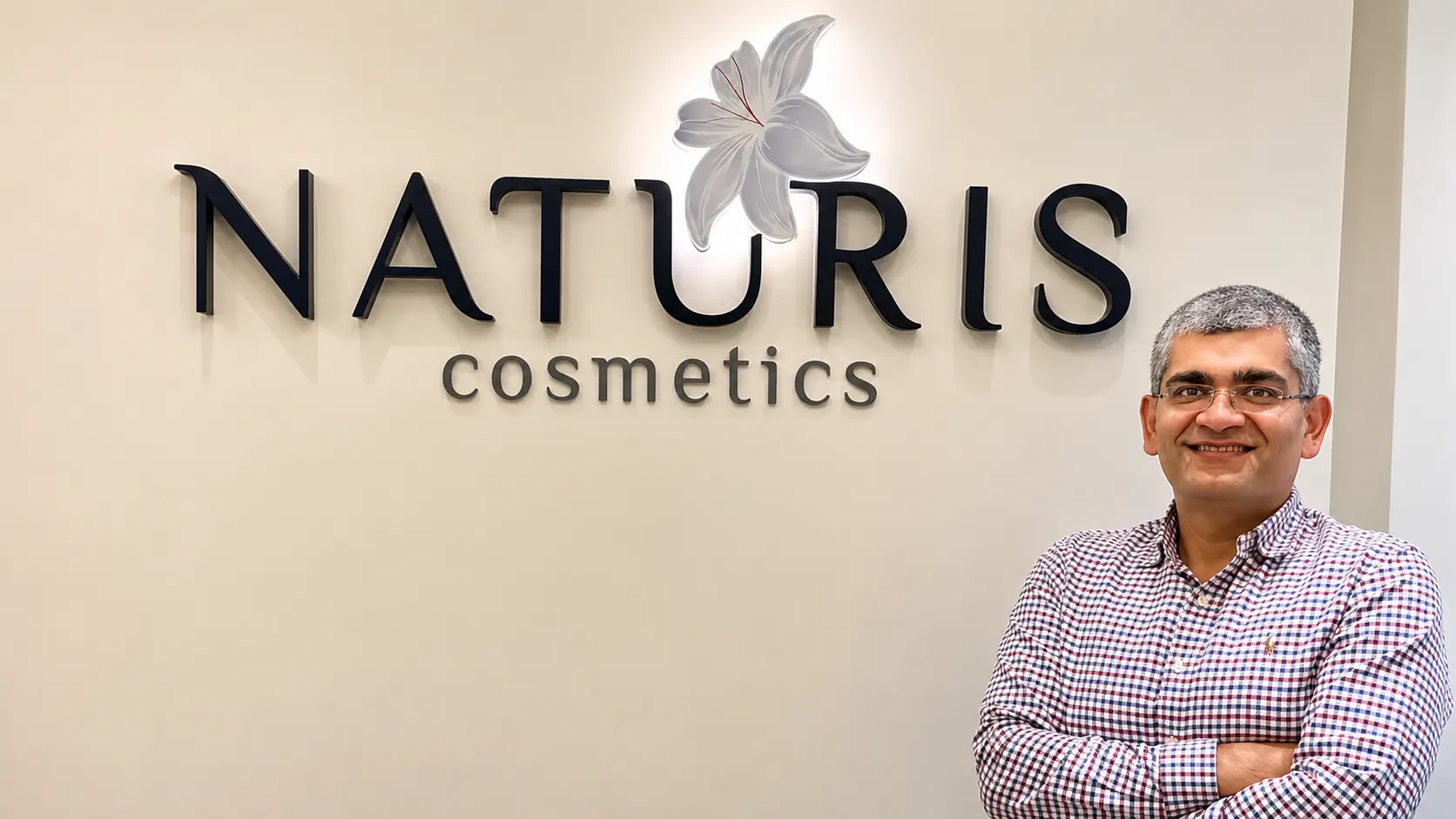
Jammu-based contract development and manufacturing organisation (CDMO) Naturis Cosmetics has raised ₹100 crore in its maiden institutional funding round. The investment was led by Sharrp Ventures, marking a significant capital injection into the backend infrastructure powering India’s direct-to-consumer (D2C) beauty boom. The round saw broad participation across strategic and financial investors. Mirabilis Investment Trust, the family office of Infosys co-founder K. Dinesh, participated alongside Anicut Capital and Niveshaay. Founders and ecosystem leaders, including Suyash Saraf of Hyperscale Ventures and Yogesh Kabra, also joined the cap table, alongside several unnamed angel investors from the pharmaceutical and specialty chemicals sectors. As part of the transaction, Sagar Kandhari, a partner at Ambassador Capital Partners who advised Naturis during the fundraise, has joined the company's board of directors. Founded as an R&D-led manufacturer, Naturis currently develops products for more than 50 beauty and personal care (BPC) brands. Its client roster includes prominent industry players such as Nykaa, Purplle, Pilgrim, Colorbar, Kay Beauty, Bare Anatomy, and Asaya. Beyond consumer beauty, the company holds contracts with major pharmaceutical firms, including Glenmark and Dr. Reddy's Laboratories, to produce over-the-counter (OTC) and cosmeceutical products. According to the company, it has achieved a compound annual growth rate (CAGR) of over 50 per cent during the past four years. The fresh capital is earmarked for a massive physical expansion. Naturis plans to establish a 225,000 square feet manufacturing facility in Vapi, Gujarat, significantly increasing its production capacity. The funds will also finance a new research and development centre in Mumbai and a dedicated experience centre in the National Capital Region (NCR). Over the next five years, the company intends to diversify its manufacturing portfolio into colour cosmetics, men's grooming, fragrances, and export markets, while deepening its presence in OTC pharmaceuticals.
Why It Matters
The capital injection into Naturis Cosmetics arrives at a transitional moment for India’s beauty and personal care industry. The consumer market, projected to reach $40 billion by 2030, has spent the last five years flooded with venture capital aimed at customer acquisition, brand building, and marketing. However, as these D2C brands attempt to scale rapidly, they face a structural bottleneck: physical production. Very few modern beauty brands own their manufacturing facilities. Building a factory requires immense capital expenditure, specialized regulatory compliance, and a fundamentally different operational focus than selling lipstick or serums online. Instead, brands rely on third-party manufacturers to turn marketing concepts into physical reality. For Naturis, this dynamic creates a highly lucrative B2B opportunity. The company makes money through contract manufacturing margins, earning revenue by formulating and producing goods at scale on behalf of consumer-facing brands. The ₹100 crore funding allows Naturis to assume the heavy capital expenditure required to build a 225,000 square feet facility in Vapi. In doing so, it provides its clients with the elasticity to scale up production without tying up their own venture capital in physical assets. Crucially, the expansion is not just about raw output. By allocating funds to a new R&D centre in Mumbai, Naturis is strengthening its ability to own the formulation process. The company is positioning itself not merely as a toll manufacturer that fills bottles, but as an Original Design Manufacturer (ODM) that invents the formulas brands eventually sell. This shift from execution to innovation allows Naturis to command better margins, attract enterprise-tier clients, and deeply embed itself into the product roadmaps of India's largest beauty platforms.
The Strategic Read
The ₹100 crore bet on Naturis Cosmetics suggests a strategic recalibration among investors: the most defensible returns in the beauty sector may no longer lie in funding another D2C brand, but in owning the infrastructure that supplies them all. This funding indicates that capital is moving toward the "picks and shovels" of the consumer boom, seeking the recurring B2B revenue that comes from manufacturing consolidation. The core economic mechanism at play here is switching costs combined with capacity utilisation. When a brand partners with an R&D-led manufacturer like Naturis, the relationship goes beyond a simple purchase order. Naturis develops the proprietary formulation. Once a brand scales a hero product—such as a specific serum or sunscreen—moving that production to a cheaper competitor is exceptionally risky. It requires re-formulating, re-testing, and navigating complex regulatory approvals, all while risking a change in product texture that could alienate loyal customers. This locks brands into long-term manufacturing contracts, granting Naturis immense pricing leverage. The competitive consequence of the Vapi expansion is significant. A 225,000 square feet facility dramatically alters Naturis’s bargaining power with raw material suppliers. Higher order volumes will compress their procurement costs, allowing them to either widen their gross margins or undercut smaller regional manufacturers. This creates a challenging environment for incumbent, lower-tier factories that lack the capital to match Naturis's R&D capabilities or production scale. For consumer brands, this consolidation is a double-edged sword: it offers reliable, high-quality scaling, but risks concentrating supply chain power among a few large ODMs. However, this aggressive expansion introduces a material execution risk centred on asset utilisation. The Vapi facility represents a massive increase in fixed costs. Rent, specialised machinery maintenance, and expanded staffing expenses will remain constant regardless of market conditions. If the D2C beauty market experiences a funding winter, or if major clients like Nykaa or Purplle decide to heavily internalise their manufacturing to protect their own margins, Naturis’s facility could operate below capacity. An underutilised factory quickly burns cash, turning an asset into a liability.
For daily, sharp analysis of the biggest moves in the Indian business and startup ecosystem, follow StartupFox.