
The Origin Story
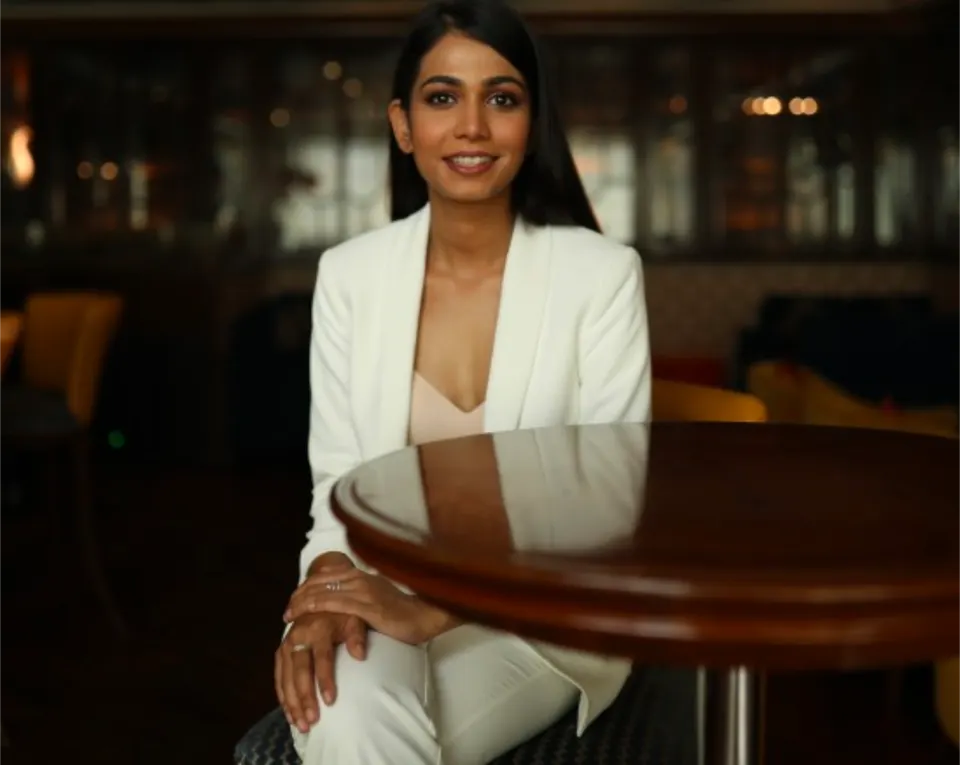
Kamalini Paul’s story wasn’t supposed to be about spreadsheets and room service; it was supposed to be about university in the UK. But when cancer took her father, DC Paul, within a year of his dream hotel’s launch, Kamalini didn't just inherit a building—she inherited a crisis. Over the past decade, she has not only stabilized the core asset but scaled it dramatically, capturing the #1 spot on TripAdvisor and accommodating 10,000 guests during peak season. Concurrently, she has expanded the family’s real estate arm, rebranded as Paulis Co., driving a new focus on sustainable architecture.
Why This Matters
Suddenly, an 18-year-old marketing student was thrust into the "man’s world" of Bengal real estate. Her first task wasn't just the hotel—it was finishing a massive, high-stakes housing project with the West Bengal Housing Board. With no experience and older male executives waiting for her to fail, she had to choose: liquidate or lead. As initial survival required purging senior management who were actively sabotaging the inexperienced founder to force a sale or collapse. Once the internal bleeding stopped, Paul recognized that traditional, rigid luxury models were failing to attract the modern consumer. She pivoted the property toward "affordable luxury" and aggressive digital reputation management. By launching youth-focused assets like Skyview Cafe, she captured a demographic previously ignored by legacy Kolkata hotels. This shift in unit economics—driving high-margin food and beverage revenue and prioritizing digital customer acquisition—created a cash-flow buffer that proved critical during the 30 months of pandemic lockdowns when income dropped to zero.
"I didn't just have the responsibility of my own family, but the responsibility of 100 other families that worked for us."
— Kamalini Paul - StartupFox Spotlight 2026The Strategic Takeaway
Kamalini realized that for De Sovrani to survive, it had to stop chasing old-school luxury and start chasing relevance. She pivoted to "Affordable Luxury," launched Skyview Cafe to capture the youth, and digitized operations. Once the hotel stabilized, she rebranded the real estate arm into Paulis Co., shifting the focus to sustainable, biophilic architecture and "minimalistic living." Furthermore, her recent expansion into biophilic architecture with Paulis Co. signals a maturation from pure survival to structural diversification. It proves that independent operators can successfully compete for the modern, conscious consumer by integrating sustainability directly into their long-term brand identity rather than relying solely on the real estate asset itself.
Where They Are Now
Today, De Sovrani is more than a hotel; it’s a hospitality ecosystem including cafes, restaurants, and business centers. Kamalini has now expanded back into her father's roots—real estate—proving that resilience is the ultimate competitive advantage.
For daily, sharp analysis of the biggest moves in the Indian business and startup ecosystem, follow StartupFox on LinkedIn →


